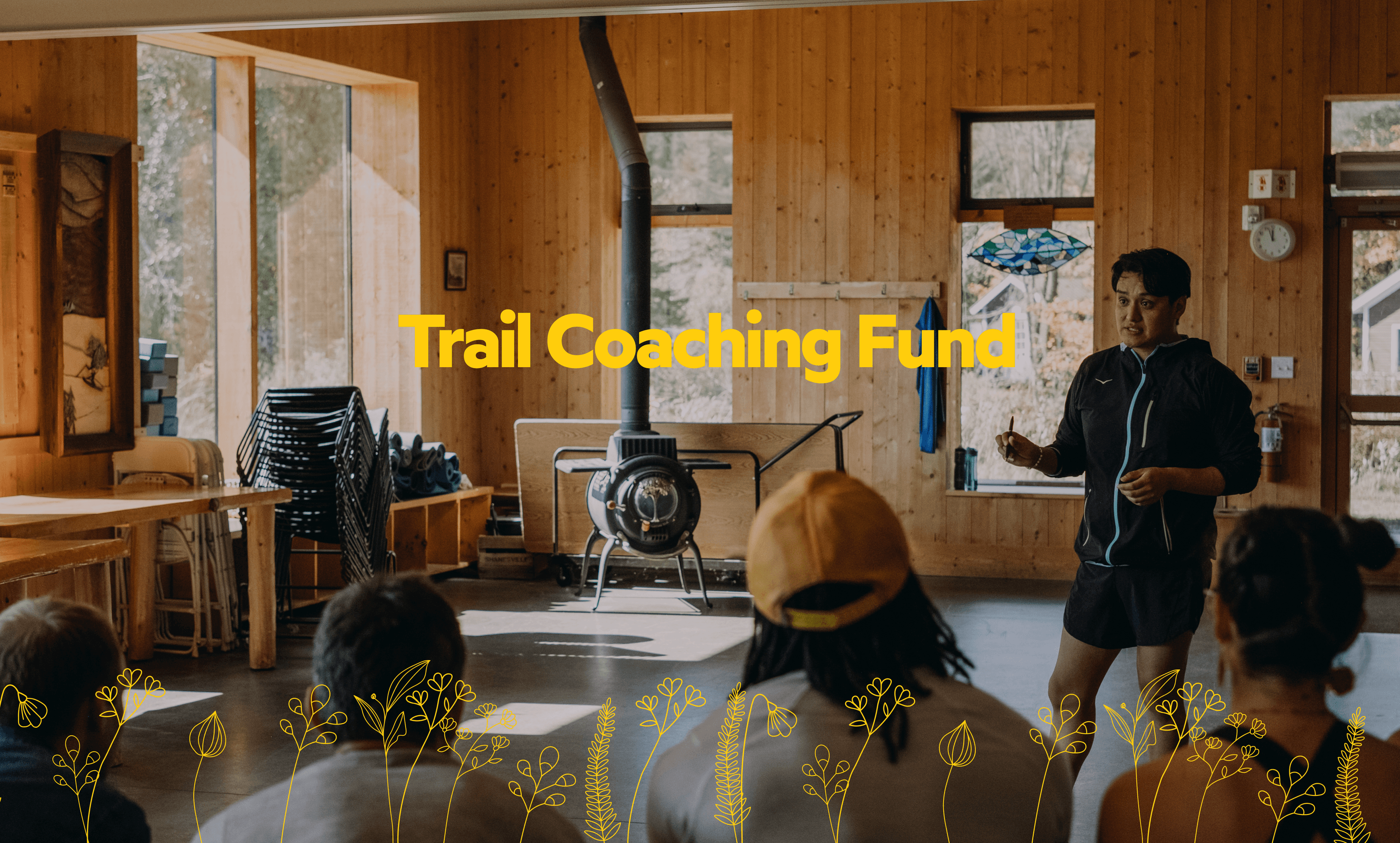
The Trail Coaching Fund is Tierra Libre Run’s supported path to certification and real coaching practice for aspiring trail coaches facing financial or structural barriers to entering the profession.
Why This Program Exists
Runners often look for coaches who understand their communities, their responsibilities outside the sport, and the barriers that shape how they train. Too often, the range of available coaches is limited.
At the same time, many people already do much of a coach’s work. They organize community miles, mentor newer runners, answer questions, and help others navigate the sport. They may have experience and trust but lack access to technical education, a recognized credential, or supported practice.
Coaches can become technical resources, trusted advocates, and mentors within their communities. They help runners understand training, prepare for unfamiliar challenges, and imagine what might come next.
What the Fund Provides
Selected participants receive funded UESCA Ultrarunning Coach Certification, five months of live cohort learning, and community coaching practice with consent.
The coursework builds a technical foundation. Community practice brings forward the questions that emerge when working with real people: how to communicate, adapt, respond to setbacks, protect an athlete’s safety, and recognize the limits of a coach’s professional scope. Cohort calls give participants a place to work through those questions together.
The program helps people move from existing community leadership into a recognized coaching role with the knowledge, judgment, and experience to build a practice and make trail knowledge easier to reach.
What We Review
We review the whole application. We do not reward professional writing, existing industry access, or the ability to hide constraints in an applicant’s life.
- Existing relationship to runners. The applicant already listens, organizes, mentors, or supports runners and can name who they hope to serve.
- Learning readiness and reliability. The applicant can engage with the certification, cohort, and community practice. Work, care, disability, internet access, and other constraints help us understand support needs.